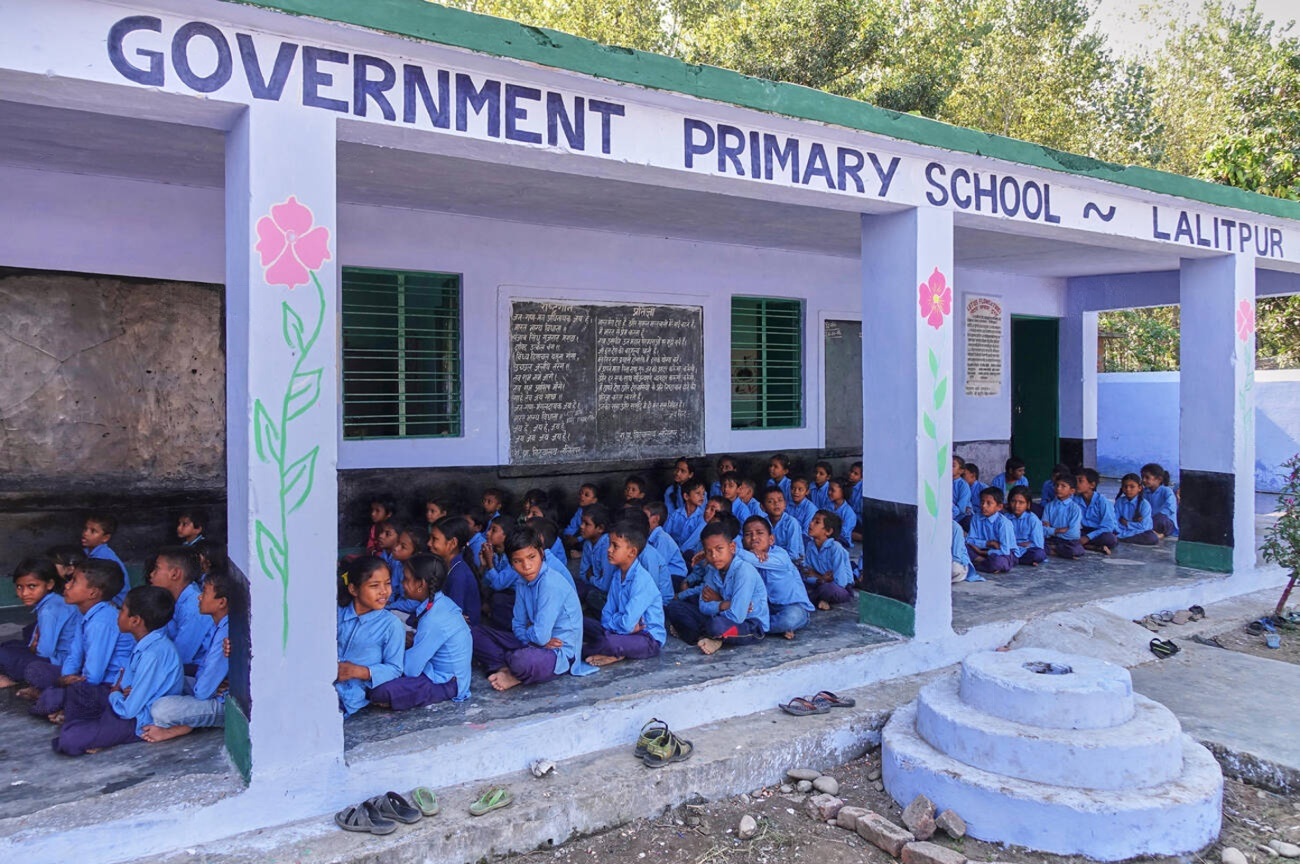
India's public education system is undergoing a massive transformation, with nearly 94,000 government schools ceasing to function over the last ten years. This figure, based on UDISE+ data and highlighted in a NITI Aayog report, means an average of about 25 school closures every day. The closures are largely attributed to mergers, rationalisation, and consolidation efforts aimed at improving efficiency.
The shrinking network of government schools poses a direct challenge to the constitutional promise of education for all. Through the Eighty-Sixth Constitutional Amendment, Article 21A was inserted, making free and compulsory education for children aged six to fourteen a Fundamental Right. The Right of Children to Free and Compulsory Education Act, 2009 (RTE Act) further turned this guarantee into an enforceable legal obligation. Additionally, Articles 41, 45, and 46 of the Directive Principles require the State to promote education, provide early childhood care, and protect the educational interests of weaker sections.
Even before Article 21A came into effect, the Supreme Court had recognised education as intrinsic to the right to life under Article 21. In landmark cases like Mohini Jain v. State of Karnataka (1992) and Unni Krishnan v. State of Andhra Pradesh (1993), the Court observed that without access to education, the meaningful enjoyment of other fundamental rights becomes impossible. Thus, public education is not just a policy choice but a constitutional responsibility.
The closure of government schools has significant implications for accessibility. In thousands of villages, the government primary school is the only educational institution within reachable distance. When these schools are merged or shut down, children often have to travel much farther each day. For older students, this may be inconvenient, but for younger children, it can become prohibitive. Girls, children with disabilities, and those from economically weaker households are particularly vulnerable, as longer travel distances, lack of safe transport, and additional costs frequently lead to irregular attendance, higher dropout rates, and poorer learning outcomes.
Beyond academics, government schools serve as vital community hubs. They host the Mid-Day Meal Scheme, vaccination drives, disaster relief operations, elections, public health campaigns, and community gatherings. More importantly, they are among the few institutions where children from different castes, religions, and economic backgrounds study together, fostering social cohesion and democratic values. The loss of these schools, therefore, affects not just education but the broader social fabric.
However, any balanced discussion must acknowledge the government's rationale behind school rationalisation. Declining fertility rates, migration from villages to urban centres, teacher shortages, and falling enrollment in several regions have created pressures that make some consolidation inevitable. The challenge lies in ensuring that efficiency gains do not come at the cost of the constitutional right to education.
As India moves forward, the question remains: can the nation fulfil its promise of universal education while its public-school network steadily contracts? The answer will determine whether the dreams of millions of children, especially those from rural, tribal, and economically weaker communities, continue to find a nurturing ground in government schools.
