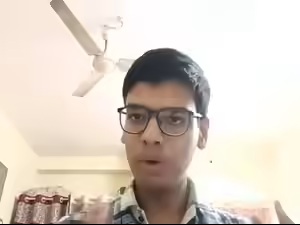
A Class 12 student, Sarthak Siddhant, has raised concerns about the Central Board of Secondary Education's (CBSE) On Screen Marking (OSM) tendering process. In a detailed blog comparing multiple CBSE tender documents, Siddhant identified what he described as discrepancies. Speaking to ANI, he stated that he found at least 15 discrepancies after comparing the documents, and he highlighted three or four of them.
The student specifically focused on the OSM tendering process. CBSE had issued three separate tenders: the first was removed from the GeM portal, the second saw all bidders fail in technical evaluation, and the third was eventually awarded to an EduTech firm. Siddhant noted that in the old tender, there were three clauses related to poor performance that would disqualify the service provider, Coempt, if they performed poorly. However, in the new Request for Proposal (RFP), those clauses were completely removed.
Siddhant also pointed out changes in clauses related to blacklisting, financial qualification limits, CMMI levels, and project criteria. He alleged that these changes favoured the EduTech provider over industry giant TCS. When asked about his motivation for the research, Siddhant explained that he was working with ethical hacker Nisarg Adhikari, who told him about Coempt. This sparked his interest, and he collaborated with other journalists, eventually publishing his findings in a blog.
Expressing cautious optimism about potential reforms, Siddhant said, “I am hopeful that CBSE will answer my questions. I have raised important questions through my blog. I hope CBSE will ensure transparency over the tender system.” He also urged the government to ensure that tender systems and procurement websites are transparent, with easily downloadable data, and called for more media coverage on the issue.
Regarding the OSM system, which has faced criticism from students and educators, Siddhant offered a balanced view. He said, “I think OSM is a good change, I do not dislike it. But I think there should be wide rollouts first, and there should be good demo pilots.” He noted that, as many reports pointed out, there were no good pilots and the system was not extensively tested. He emphasized that any system should be implemented properly.
Siddhant welcomed the recent government announcement that answer sheets would be provided along with marks from next year, calling it a welcome change that would improve transparency. Sharing his personal experience as a candidate this year, he said, “I did face some of it. I would say I was on the luckier side; not all of my pages were blurred, and it was okay. But I did feel like there were checking issues, there were marking issues which I will be sorting out after in the re-evaluation process.”