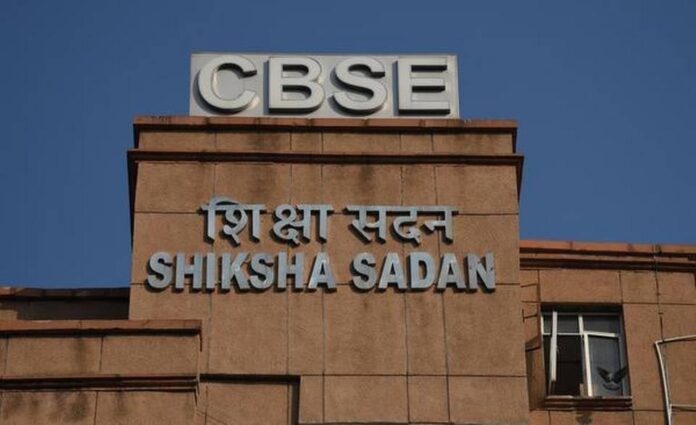
The Central Board of Secondary Education’s On-Screen Marking (OSM) system faced public scrutiny after students questioned the evaluation process and its transparency. Vedant was among the first to raise doubts about possible discrepancies in the digital marking method. His observations triggered a wider discussion on the reliability and fairness of CBSE’s answer sheet evaluation.
Following Vedant’s claims, Nisarga, a 19-year-old student, used his X handle to expose security vulnerabilities in the OSM portal. He stated that he had reported multiple technical issues within the system, drawing attention to its shortcomings. Sarthak, another Class 12 student, supported Nisarga’s assertions regarding the portal’s security flaws. Sarthak was later invited to the Parliamentary Committee, where he presented findings on loopholes in the contract between CBSE and Coempt Eduteck.
Rylen Anil, a 16-year-old cybersecurity researcher based in Dubai, followed Nisarga’s lead and discovered security vulnerabilities in the Super Admin login page of the NEET Re-exam. He reported the issue to CERT-In, and it was resolved. He also identified discrepancies in JEE Advanced student data.
Vedant, Nisarga Adhikary, and Sarthak Siddhant became central figures in the CBSE OSM controversy. Together, they brought questions about evaluation transparency into the national spotlight, prompting broader discussions among policymakers and educators.
The CBSE Class 12 2026 results were declared on May 13, with an overall pass percentage of 85.20%. This marked a decline of 3.19% compared to the previous year’s 88.39%. The answer sheets were evaluated using the On-Screen Marking system.
Source: EduSaint